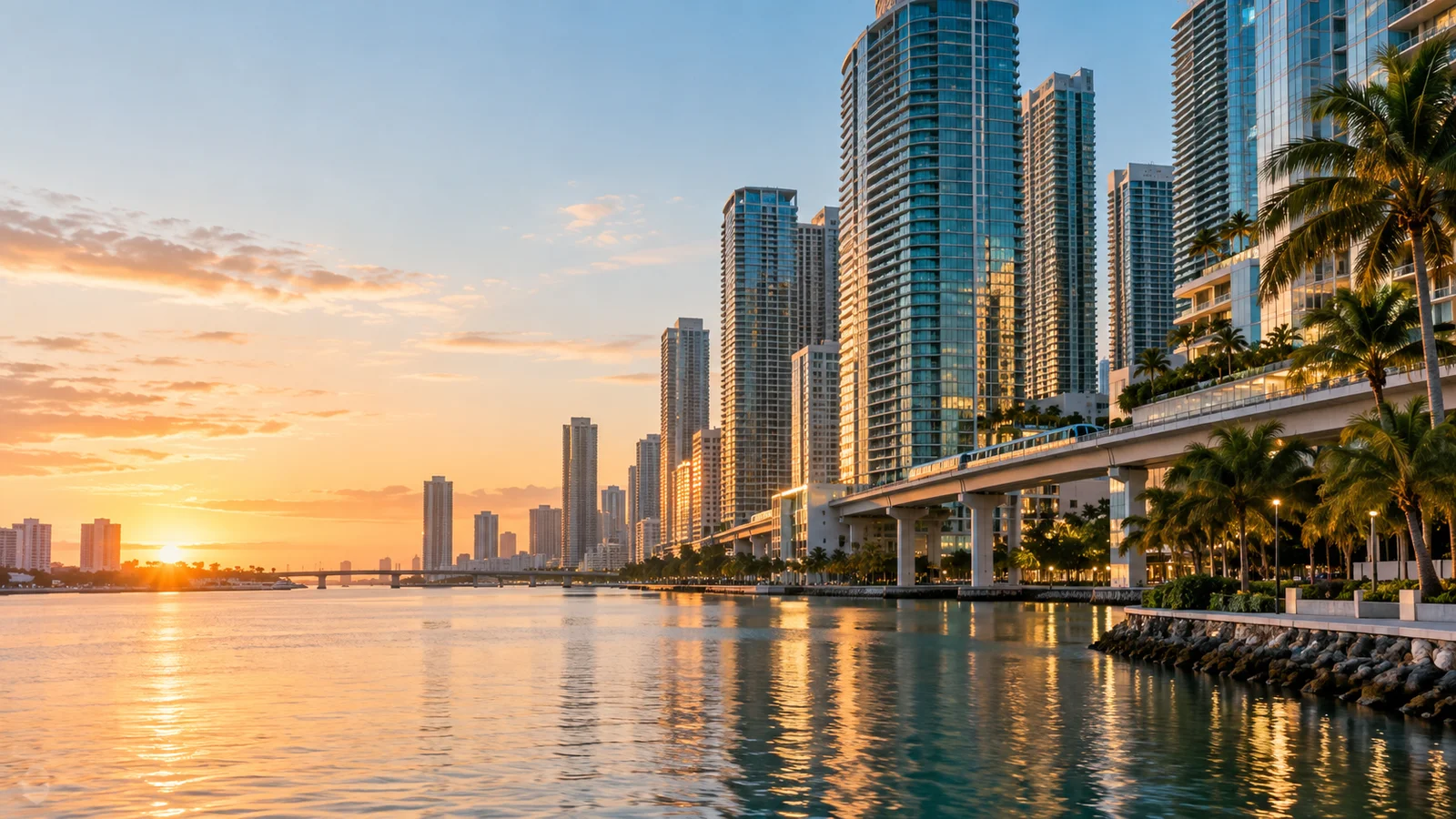
Downtown Miami is a working city center where residents, office teams, students, visitors, government services, and cultural venues share the same streets. Businesses here often have several audiences with very different needs. The website should show each one a useful route instead of treating everyone like the same generic lead.
Downtown Miami businesses need to separate audiences before they design screens
A commercial property, professional firm, venue, retailer, or service operator may serve tenants, employees, visitors, vendors, and local residents. Each group comes with a different question. A public page can explain the offer, while dedicated paths can handle booking, support, leasing, vendor paperwork, or event details. Sorting those needs early makes the navigation clearer and keeps a later portal from becoming a junk drawer.
A tenant or client portal can reduce the friction around everyday requests
People who work in a building or use a recurring business service may need visitor instructions, maintenance status, billing documents, facility information, or a way to request help. If those tasks are handled through different email addresses, the customer experience becomes inconsistent. A role-based portal can give each person the right small set of actions and give the operating team a shared record of what is open.
If we were building something in Downtown Miami...
We would build a tenant and visitor-services portal for a mixed-use commercial property. Tenants could submit facilities requests, reserve meeting space, upload insurance documents, and view building notices. Visitors could receive arrival instructions and event details through a short public flow. Property staff would see a single queue with the right owner for each request. The concept is not a full property-management replacement; it is a better day-to-day service layer.
A strong role system makes the visible experience feel lighter
The same platform can become confusing if a tenant, a guest, and a vendor all see the same menu. Start by listing each role and the tasks it should be able to complete. Then remove everything else from that view. This is how a Downtown Miami portal can handle a complex operation while still feeling calm to a person who only needs to submit one request or read one notice.
Trace the operational moments where the front desk gets overloaded
Look at a day with an event, deliveries, visitors, and routine tenant needs happening at once. Which questions repeat? Which records need to be checked in three places? Which tasks stop when one person is away? That is the right material for an initial workflow. It leads to a small, useful system instead of a vague demand for an all-in-one app.
Which audience is currently asking the business for information that could be accurate, self-service, and visible in one clear place?
Miami Web Designs can help Downtown Miami organizations turn a crowded, multi-audience operation into a clearer public site and a more useful private service layer.